
Online Bingo in the UK: Formats, Tickets and Slots
 Available in GB
Learn how ticket layouts, qualifying patterns and prize stages shape bingo play, and how slots fit alongside the main game.
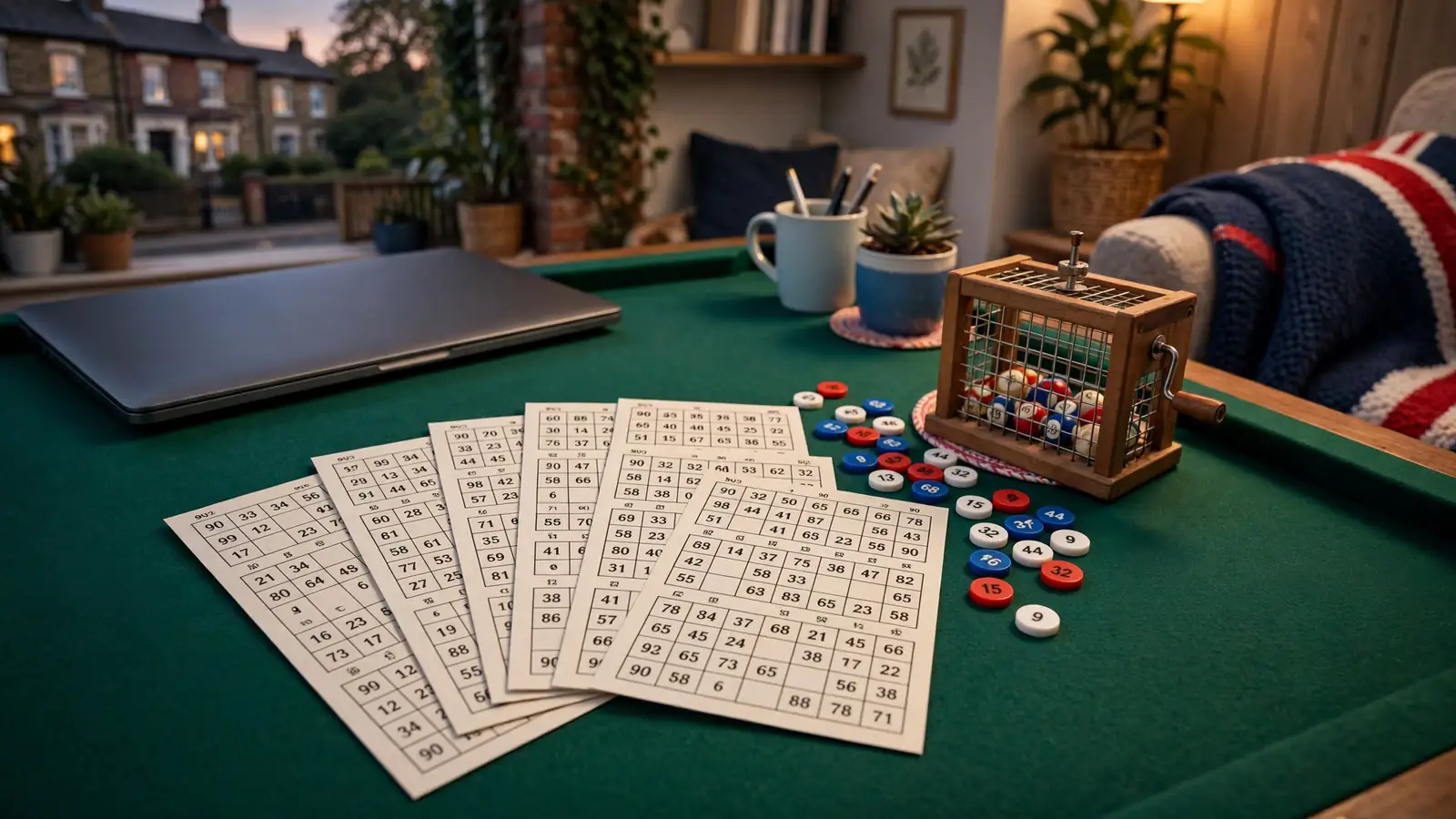
Table of Contents
- Bingo Formats: Tickets, Patterns and Prize Conditions
- When Bingo Rooms Add Slots
- Checking a Bingo Site’s Licence and Safety Controls
- Real-Money Bingo: Ticket Costs and Prize Scale
- Free Tickets, Spins and the Conditions on Winnings
- How Online Bingo Slots Fit Around the Main Game
- Where Bingo and Slots Can Be Played
- Mobile Bingo and Slots: What the Available Facts Establish
- Bingo Slot Machines and Side-Game Returns
- Playing Slot Games at an Online Bingo Site
Bingo Formats: Tickets, Patterns and Prize Conditions
Online bingo follows a simple sequence: a player buys a ticket, numbers are drawn, and the result depends on whether the ticket completes the required pattern before other players. The format determines the ticket’s layout and the kinds of patterns that count. Those details are not interchangeable: a line-based game and a pattern-based game can use different tickets and different conditions for a win.
In 90-ball bingo, the ticket has a 9×3 layout. Prizes are associated with completing one line, two lines or a full house. These are separate stages of progress on the ticket, rather than different names for the same result. A ticket that reaches one line has met a different condition from one that completes two lines, while the full house is the most complete of these listed patterns.
The game’s rules determine what counts as each stage and how the prize is assigned. The draw continues as numbers are called, and players follow their tickets to see whether a qualifying line or the full house is completed. Because the outcome depends on completing the relevant condition before other players, having a ticket does not itself secure a prize. The deciding point is the pattern achieved during the game and whether it meets the room’s stated prize condition.
When choosing an online bingo site in the UK, it helps to check practical details alongside the games on offer. This list highlights the payout timing available for each operator.
Payout speed: 1-3 business days x3bet lists a payout speed of 1–3 business days.
Payout speed: 1-3 business days NightWin lists a payout speed of 1–3 business days.
Payout speed: 1-3 business days Britsino lists a payout speed of 1–3 business days.
Payout speed: 1-3 business days NightLuck lists a payout speed of 1–3 business days.
Payout speed: 1-3 business days SpinFormula lists a payout speed of 1–3 business days.
Payout speed: 1-3 business days Chanze lists a payout speed of 1–3 business days.
Payout speed: 1-3 business days WinBeast lists a payout speed of 1–3 business days.
Payout speed: 1-3 business days Revery Play lists a payout speed of 1–3 business days.
Payout speed: 1-3 business days Amunbet lists a payout speed of 1–3 business days.
Payout speed: 1-3 business days EvoSpin lists a payout speed of 1–3 business days.
This makes the ticket layout important before play begins. A 90-ball ticket is not judged by whether it resembles a shape such as a letter or a diamond; its listed prize structure is based on lines and a full house. The room’s rules remain the reference for the precise pattern, prize stage and claim process. A familiar format does not remove the need to understand the conditions attached to a particular game.
75-ball bingo uses a 5×5 grid, and its wins are defined by patterns rather than by the one-line, two-line and full-house stages associated with 90-ball play. Examples include a cross, an X, a diamond, the letter T and a picture frame. The variety changes what players need to track: the relevant question is not simply whether a row has filled, but whether the marked positions now form the pattern selected for that game.
The named shapes are useful descriptions, but they do not mean that every 75-ball game uses all of them. A room can specify a particular pattern, and the ticket must match that condition for the result to count. A cross and an X require different arrangements; a diamond or picture frame is different again. The prize condition therefore needs to be read as part of the game, not inferred from the format name alone.
There is also a practical difference in how the two formats are followed. In 90-ball bingo, attention centres on progress towards the stated line stages and then the full house. In 75-ball bingo, attention centres on the shape being completed. In either case, the ticket is a record of the numbers relevant to that player, while the draw determines which numbers can contribute to the required result. The pattern gives the game its winning condition; the draw supplies the sequence in which that condition may be reached.


For an online game, the basic mechanics remain the same as in a physical bingo room: a ticket is purchased, numbers are drawn, and the player’s result depends on completing the required pattern ahead of other participants. The screen changes how the ticket is displayed, not the underlying relationship between the draw, the ticket and the win. The room’s stated rules explain which pattern applies and what qualifies as a prize.
That distinction matters when comparing games presented within the same online bingo and casino environment. The shared setting does not make every bingo game use the same ticket or prize structure. A 90-ball room is organised around line stages and a full house; a 75-ball room asks for a specified shape on a 5×5 grid. The format is a mechanical rule, not just a label on a lobby tile.
A useful check before entering a room is whether the ticket layout and the stated winning pattern agree. If the game describes a shape, the relevant format is pattern-led; if it lists line stages and a full house, it follows the 90-ball structure described above. The final condition is still completion before other players. A ticket can remain in play throughout a draw without reaching the required pattern, and a partial match is not the same as a completed winning condition.
Uses a 9×3 layout where prizes are linked to completing one line, two lines, or a full house.
Uses a 5×5 grid where wins are defined by specific patterns such as a cross, X, diamond, or picture frame.
The core decision is therefore about how the game defines progress. In 90-ball bingo, progress is measured through the line-based stages. In 75-ball bingo, it is measured against the pattern named for the game. Understanding that distinction makes the ticket readable and the prize condition less ambiguous, without treating every online bingo game as if it followed one universal template.
When Bingo Rooms Add Slots
A bingo room can place a slot offer beside the main game, linking the two products through a ticket purchase. A specialist review describes rooms where each purchased bingo ticket comes with a free slot spin. That is a specific promotion, not a standard feature of every room offering bingo and slots.
The word “free” describes the price of the spin, not the value of the whole arrangement. The bingo ticket still has a cost, and the spin is attached to that purchase. The relevant comparison is therefore between the ticket bought and the additional play received, rather than between a free spin and no spending at all. If the ticket would not otherwise have been purchased, its price remains part of the outlay for the combined offer.
This distinction matters when comparing online bingo and slot games. A ticket has a defined place in a bingo draw; a slot spin is a separate game with a separate outcome. Receiving both through one promotion does not combine their chances of winning or make the ticket more likely to win. It adds another way to play, with its own result.
The economic appeal is easy to describe: one purchase provides entry to a bingo game and may also trigger a slot spin. The value is less simple to assess. It depends on the ticket price, the rules attached to the promotion and the terms governing any resulting winnings. Those terms can determine whether a win is immediately available as cash or subject to further conditions. The headline count of spins alone cannot settle that question.

The same caution applies when bingo rooms include other slot-style side games. Their return-to-player percentages are often lower than those of the bingo room itself. RTP is a long-run measure of the proportion of stakes a game is designed to return across play; it does not predict the result of an individual round or session. A lower RTP signals a less favourable theoretical return, not a guaranteed loss on every play. Nor does a higher figure guarantee that a particular player will receive that amount back.
For the combined offer, the bingo and slot components should therefore be evaluated separately. The ticket’s value depends on the room’s prize structure and the chance of completing the relevant winning condition. The slot component has its own return profile and promotion terms. Treating the two as one undifferentiated package can obscure where the spending goes and which conditions apply to each part.
A sensible comparison records the amount paid for the ticket, whether a spin is actually awarded, and what restrictions apply to the spin or any resulting balance. If the offer changes by room or promotion, the terms for the specific offer matter more than a general description of bingo and slots online. A spin attached to one ticket offer does not establish that the same arrangement is available for every ticket, game or session.
Return-to-player (RTP) is a long-run measure of the proportion of stakes a game is designed to return; it does not predict the result of any individual round or session.
There is also a practical difference between an extra spin and a discount on bingo. A discount reduces the amount paid for the main product. A spin adds a separate chance to play another game, but does not reduce the ticket’s price. Its value cannot be treated as equal to cash unless the terms establish that it can be withdrawn, and a promotion should not be valued solely by the advertised number of spins.
This is why a combined bingo-and-slots offer is not automatically better value than a bingo-only option. The additional game can be useful to someone who intends to play it, but it does not improve the underlying bingo ticket. Where side games have lower RTP than the bingo room, adding them may also shift more of the activity towards a game with a less favourable theoretical return. The extra entertainment and the financial terms are separate considerations.
For UK bingo and slots, the clearest measure is the total paid for the bingo entry, followed by the separate conditions of any attached slot play. The purchase price is certain; the outcome of either game is not. A free spin may add play, but it does not erase the cost of the ticket or convert a promotional feature into a guaranteed return.
Checking a Bingo Site’s Licence and Safety Controls
Online bingo is legal in the United Kingdom, but only through licensed and regulated sites. An operator offering bingo to UK players must hold the relevant UK Gambling Commission (UKGC) licence; offering slots as well does not remove that requirement. The licence brings obligations covering fair gambling, anti-money-laundering controls and responsible gambling. A site’s branding or its association with a familiar games provider is not a substitute for checking who operates it.
The first practical check is the UKGC licence number, which should be prominently displayed in the site footer. If it is absent, close the tab. If it is shown, verify the number against the UKGC public register before depositing. The register provides a way to check that the licence belongs to the operator named on the site and is current. A logo or a general claim that a site is regulated is not enough to establish that.
Account checks and payment controls
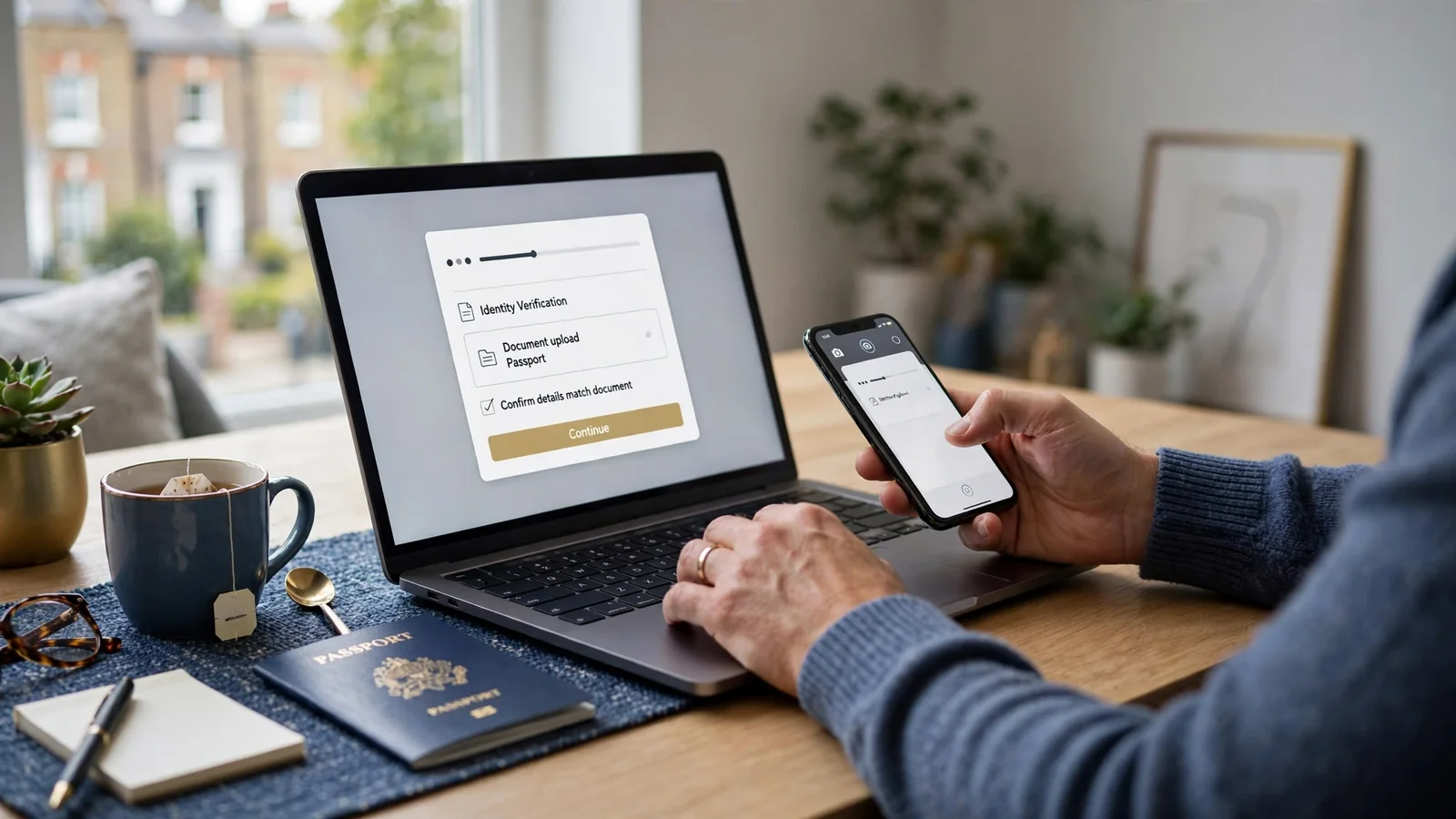
Identity and age checks are part of the regulated account process, not optional extras. UKGC-licensed operators must verify a player’s identity, commonly by requesting photo identification and proof of address. Age must be checked before the operator allows funds to be deposited. Gambling is for people aged 18 and over; an account should not be treated as ready for paid play until the required checks have been completed.
Payment rules provide another clear test of the UK framework. Credit card gambling is banned in the UK. Remote operators cannot accept credit-card payments for gambling, including credit-card funds routed through a money service business. They also cannot accept wallet payments where the wallet allows credit-card funds to be used for gambling. A payment option that appears to avoid the rule does not make the underlying funding method acceptable.
New customers must be prompted to set a financial limit before making their first deposit, and account-level limit controls must remain accessible. These controls concern the amount put into the account; they do not change the odds of a bingo draw or a slot game. Their value is practical: a limit gives the account a defined spending boundary rather than leaving deposits open-ended.
Safety Check
If a site is missing its UKGC licence number in the footer, close the tab immediately.
What oversight means in practice
A UKGC licence is an oversight framework, not a promise that every account decision or withdrawal will be free of dispute. Licensed operators must provide an internal complaints process and access to an approved Alternative Dispute Resolution service. These routes matter if a complaint about an account, a transaction or the handling of play cannot be resolved directly with the operator. The licence should therefore be checked before an account is funded, rather than treated as a detail to investigate only after a problem occurs.
Responsible-gambling controls also form part of the licensing requirements. UKGC-licensed casinos must provide tools including self-exclusion, allowing an account to be closed from gambling through the operator under the applicable process. The availability of a tool is distinct from choosing to use it, but its presence is a basic feature of a regulated account. Deposit limits and self-exclusion serve different purposes: one sets a financial boundary, while the other restricts access to gambling.
These checks apply to UK bingo sites that also offer slots, whether the site is newly launched or long established. A new name does not create a new regulatory category, and a combined bingo-and-slots menu does not prove that both activities are covered by the appropriate licence. The useful evidence is the operator’s identity, its current UKGC licence entry, the account checks and the controls visible within the account.
A short assessment can therefore stay factual: confirm the licence number in the footer, match it on the public register, check that age and identity verification are required, and inspect the available financial limits and self-exclusion tools. If the licence number is missing, the next step is not to assess the games or the welcome offer; it is to leave the site.

Real-Money Bingo: Ticket Costs and Prize Scale
The price of a paid bingo ticket sets the immediate cost of entering a game; it does not, by itself, establish the size of the prize or the chance of winning. Online rooms include low-stakes options priced from 1p to 5p, while premium games can charge £1 or more per ticket. Another description of the market places penny-room tickets at 2p and high-stakes games at £5 or above. These are different price points reported for different types of room, not a single scale that every operator follows.
That difference matters when comparing games. A low ticket price makes an individual entry cheaper, but a prize pool is a separate figure. A higher ticket price may be attached to a larger prize, yet the price alone does not show how many other players are participating or what conditions apply to the advertised prize. The advertised amount is therefore not a return calculated from the ticket cost. It is a potential prize, conditional on the game’s rules and the result.
A specialist review gives a concrete illustration: it describes a 1p game with a £10 full-house prize, and a £1 game with a jackpot in the hundreds or thousands. Those figures should be read as examples reported by that review, not as a current market rate or a promise that a ticket at either price will carry those prizes. Prize pools and games change, so the listed prize for a particular room is more useful for a spending decision than a comparison assembled from different examples.
- Compare rooms based on specific ticket prices
- Treat advertised prizes as conditional
- Sum the total cost of all tickets bought
- Assume a low ticket price guarantees a return
- View a prize pool as a guaranteed payout
- Use ticket price alone to settle value
The simple arithmetic is still useful. The ticket price is the amount committed for each entry, while the prize is conditional and may go to another player. Buying a ticket does not buy a share of the advertised prize in the sense of guaranteeing a proportional return.
For a low-stakes budget, the cost per ticket can be small without making repeated entries costless. The relevant total is the sum of the tickets bought for the game, not the price printed beside one ticket. A premium game raises that per-entry amount; the prize may be higher, but the cost is also incurred before the result is known. Comparing rooms on ticket price alone misses the distinction between an affordable entry and a prize that is only a possibility.
The same calculation applies when bingo is offered alongside casino-style games. A paid bingo ticket remains a real-money purchase even if the site presents it within a broader bingo and slots offer. A no-deposit bonus is a separate promotional condition, not a reduction that can automatically be deducted from the ticket price. Its terms determine what it can be used for and whether resulting winnings can be withdrawn; those terms should not be folded into the ordinary cost of a paid game.
A practical comparison therefore starts with the ticket price and the stated prize for the particular room, then treats the prize as conditional rather than as an expected payout. Low-stakes rooms limit the cost of each entry; higher-priced games require a larger outlay per ticket. Neither label settles value. The amount spent is definite, while the advertised prize is not a payment due to every participant.


Free Tickets, Spins and the Conditions on Winnings
A free bingo ticket is a way to enter a specified game without paying its ticket price. It is not the same as cash in an account, and it does not necessarily give access to every room. A specialist review reports that free tickets can be limited to particular rooms or ball formats, with a stated expiry as short as 24 hours. Those details determine whether the ticket can be used for a chosen game and how long it remains available.
The practical value therefore depends on the conditions attached to the ticket, not just the word “free”. A ticket that cannot be used in the intended room, or that expires before the relevant game, has no usable value. The expiry time and eligible game should be checked in the promotion’s terms before the ticket is treated as part of an account balance.
Ticket winnings are not automatically withdrawable
Winning with a free ticket does not mean the resulting amount can be withdrawn straight away. Free tickets themselves cannot be cashed out. Any winnings are credited as cash, but they may carry a wagering requirement, including one matching the requirement applied to a deposit bonus.
A specialist review reports free-ticket winnings subject to wagering requirements in a range from 20x to 65x. That is a report about terms described in that review, not a fixed rule for bingo promotions. The exact condition attached to a particular offer determines what must happen before withdrawal is available. A headline prize and a withdrawable balance are therefore separate figures.
Attention: Winnings from free tickets may be subject to wagering requirements, often ranging from 20x to 65x, before they can be withdrawn.
The distinction matters in the account ledger: the ticket is an entry, the win is a credit, and the wagering requirement is a condition on that credit. Until the condition is met, the displayed cash balance may not represent money ready to leave the account. The promotion’s terms should identify which winnings are restricted and what activity counts towards release.
Free tickets and slot promotions are different
Promotional pages may place bingo tickets and slot offers alongside one another, but the labels do not make them interchangeable. A free ticket applies to a bingo game under its stated room and ball-format restrictions. A slot promotion has its own conditions; the ticket’s terms do not establish what applies to a free spin or to play on a slot machine.
That distinction is important when a promotion combines several items. The ticket can be subject to an expiry and restrictions on where it can be used, while any winnings from it may carry a separate wagering requirement. The presence of a slot offer does not remove those conditions or turn ticket winnings into immediately withdrawable cash.
The useful comparison is not between the advertised number of promotional items, but between what each item permits and what conditions attach to its outcome. For a free bingo ticket, the material points are the eligible room, ball type, expiry and treatment of any winnings. Only after those are clear can its value be assessed.
How Online Bingo Slots Fit Around the Main Game
Online bingo slots sit alongside the room’s main product rather than replacing it. The bingo game remains a ticket-and-draw activity: players enter a room, numbers are called, and the result depends on completing the required pattern. Slot-style side games are a separate option within the wider offer. Their presence does not change how a bingo round is decided.
That distinction matters when comparing what a room promotes. A large bingo prize pool belongs to a scheduled bingo game; it is not a measure of what a slot-style game may return. Nor does a slot game’s outcome determine the bingo result. The two products can be presented together, but their mechanics and prize conditions should be assessed separately.
A specialist review reported that bingo rooms’ busiest period fell between 7pm and 11pm, with operators scheduling their largest prize pools during those hours. That is a time-specific observation from a review, not a standing timetable for every room or a guarantee that a particular game will carry the day’s largest prize. Prize schedules can differ by operator and session, so the relevant room listing is the meaningful reference for a specific game.
The commercial point is straightforward: a busier room and a larger advertised prize pool may occur together, but neither establishes the value of a ticket or the chance of winning. A prize figure describes the amount available under the game’s conditions; it does not state how many tickets are in play or how likely any one ticket is to complete the pattern first. The headline pool therefore cannot be treated as a return calculation.
Slot-style games add another layer of choice, not an extension of the bingo prize. Each should be considered on its own terms, particularly because side games can have lower return-to-player percentages than the bingo room itself. The comparison is about the proportion of stakes returned over play, not a prediction of an individual result. A lower RTP does not specify what a session will pay, and a higher bingo prize pool does not erase the difference between the products.
Bingo vs Slots
Bingo room prize pools and slot-style side games are separate products with different mechanics and return profiles.
For online bingo in the UK, the practical separation is between the scheduled room game and any attached side activity. The bingo timetable governs when its prize pool is available; playing a slot-style game is a distinct decision and does not improve the bingo ticket’s position. That keeps the advertised pool, the room’s core game and the optional casino-style play from being mistaken for one combined offer.
Where Bingo and Slots Can Be Played
Online bingo is legal in the United Kingdom, but the place where it is played matters. Remote gambling operators serving the British market must hold the relevant UK Gambling Commission licence. The legal offer is therefore found through licensed operators, rather than through any site that happens to display bingo rooms or slot games. Players must be aged 18 or over.
The Gambling Act 2005 governs gambling in England, Wales and Scotland; Northern Ireland is outside that Act. For services offered to customers in Great Britain, the UKGC licensing requirement applies regardless of where an operator is based. That makes the location of a company less relevant than whether it holds the authority required to serve the market. A site’s presentation or game catalogue does not replace that requirement.
Bingo and slots may appear within the same online gambling environment, but they remain distinct products. In a bingo room, players buy tickets, numbers are drawn, and a win depends on completing the relevant pattern before other players. Slot games operate separately from that shared draw. The presence of both does not change the basic mechanics of the bingo game.


The Magical Mystery Bingo room is one named example of an online bingo room. It provides a concrete product name for those comparing places to play bingo alongside casino-style games, but a name alone does not establish the legal status of the operator behind it. The same distinction applies to any room or game label: product identity and permission to serve UK players are separate questions.
In practice, the setting is a licensed online gambling service that offers bingo, with slots available where the operator’s catalogue includes them. There is no single venue implied by the phrase “bingo and slots”; the offer depends on the individual service. The relevant legal boundary is clear: online gambling in the UK is lawful at licensed and regulated sites, for adults aged 18 and over.
Mobile Bingo and Slots: What the Available Facts Establish
On a phone or other device, online bingo still follows the same basic sequence: a ticket is bought, numbers are drawn, and a win depends on completing the required pattern before another player does. The screen may change the way the game is displayed, but not that underlying structure. A mobile bingo site can therefore be understood through the room’s ticket rules and draw process, rather than through assumptions about particular app features.
Bingo and slots may appear together on one site, but they remain separate activities. A bingo ticket enters a player into a draw; a slot game runs on its own terms. Their presence on the same mobile site does not make a slot spin part of the bingo pattern or alter how the draw is decided. Any offer linking the two products depends on the operator’s terms.
The practical financial control relevant across devices is the deposit limit. A specialist review reports that operators commonly let customers set limits for a day, a week or a month. Those periods describe the scope of a limit, not a suggested spending level. A limit controls deposits into the account; it does not change ticket prices, prize conditions or the rules of a slot game. The precise controls available depend on the operator.
That distinction matters when bingo and slots are accessible in the same place. A deposit limit applies at account level, while each game has its own rules and any promotional terms remain separate. The presence of a limit is not evidence that a particular mobile interface offers a specific setting or function.
Accordingly, mobile play does not alter the core bingo calculation: the ticket must qualify for the draw, and the relevant pattern must be completed before another player. Slots can sit alongside that activity, but they should be assessed as a separate product rather than treated as an extension of the bingo round.
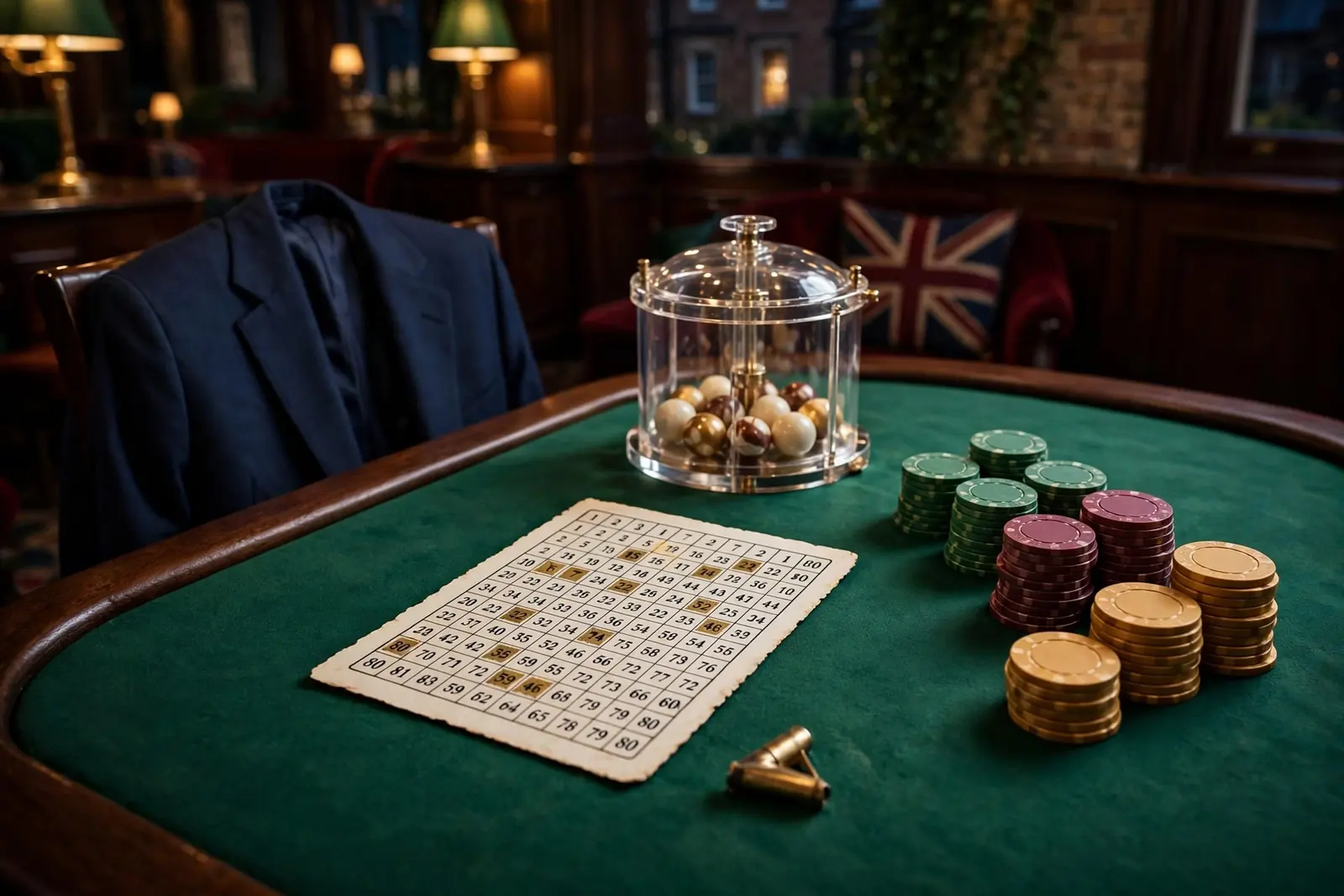
Bingo Slot Machines and Side-Game Returns
A slot-style game on a bingo site is a side game, not another way of completing a bingo pattern. The bingo room and the slot game have separate rules and outcomes: a bingo win depends on the room’s draw and pattern, while a slot result comes from play on the machine-style game. Treating them as interchangeable obscures what each return figure measures.
Return to player, or RTP, is a percentage used to describe the proportion of stakes a game is designed to return over extended play. It is not a forecast of what an individual session will pay back, nor a promise that a particular amount will be recovered. A short run can differ substantially from the stated RTP.
The comparison relevant to bingo sites is that side games often have lower RTP percentages than the bingo room itself. That does not make the bingo room a guaranteed better-value choice: its prize structure and the slot game’s RTP describe different products and cannot be compared as if they were identical terms. The practical distinction is between a room where tickets compete for bingo prizes and a separate game whose return is expressed through its own RTP.
For anyone assessing the slot-machine element, the useful check is the RTP shown for that specific game, rather than an assumption that the bingo site’s overall offer has one shared return rate. A bingo room’s prize pool does not establish the RTP of its side games, and a side-game figure says nothing about the outcome of a bingo draw.
Playing Slot Games at an Online Bingo Site
Slot games may be available alongside bingo, but their presence cannot be assumed at every online bingo site. A specialist review describes one specific arrangement: a room gives a free slot spin for each bingo ticket purchased. That is a link between a paid bingo ticket and a slot offer, not evidence that all bingo rooms provide slots or use the same promotion.
The distinction matters when working out what a purchase delivers. The ticket is bought for bingo; the associated spin is an additional promotional feature. It does not turn the ticket into a slot stake, nor does it establish that the spin has cash value or can be exchanged for money. Those points depend on the offer’s own terms, which should be read before treating the spin as part of the value of a ticket.
A site’s bingo and slot availability should therefore be checked at the level of the specific room and offer. A general statement that an operator runs bingo does not confirm that slot games are included, and a ticket-linked spin at one room does not establish a site-wide feature. The practical test is whether the room’s current offer explicitly connects a ticket purchase to a free spin, and what conditions apply to that spin.
The arithmetic is straightforward: the ticket purchase remains a cost, while the spin is conditional promotional value. It should not be counted as a guaranteed return on the ticket. If no such offer is shown, the bingo site may still provide bingo without providing this route to slot play.
Are online bingo winnings taxable in the UK?
No. Recreational players in the UK do not pay tax on online bingo winnings.
Can I play bingo without buying a ticket?
Yes, if you have a free ticket. These may be limited to particular rooms or ball types and can expire after 24 to 72 hours.
How long do online casino withdrawals take in the UK?
E-wallet withdrawals typically process within 24 hours after the operator releases the funds.
Published by the Vegas Moose Casino 3 team.